
Summary
Determining whether a senior can live alone after a stroke requires careful evaluation of their mobility, cognitive function, medication management, and daily living abilities. Use these six key questions to assess your parent's safety and discuss appropriate support options with their healthcare team.
- Evaluate mobility and balance by observing how safely your parent moves through their home, uses the bathroom, and manages stairs or other obstacles throughout the day
- Monitor medication management for missed doses, confusion about timing, or difficulty following instructions—signs that professional support may be needed
- Assess meal preparation skills, including ability to cook safely, carry items, and maintain proper nutrition without relying solely on convenience foods
- Review emergency preparedness by considering realistic scenarios like falls or sudden confusion and whether your parent can reliably call for help
- Consider personal care tasks such as bathing and dressing, which often require increased coordination and balance after a stroke, and evaluate social engagement and transportation access to support recovery
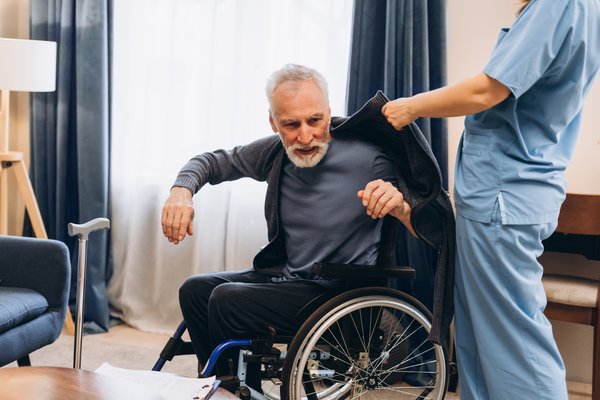
After a parent experiences a stroke, one of the biggest questions families face is whether they can safely return to living alone. The answer depends on their mobility, cognitive changes, recovery progress, daily needs, and available support.
If you are wondering, “Can a senior live alone after a stroke?” these six questions can help you evaluate the situation and discuss appropriate next steps with your parent and their healthcare providers.
1. Can They Safely Move Around Their Home?
Mobility changes after a stroke can affect everyday safety.
Pay attention to how your parent moves through their living space:
- Can they walk steadily, with or without a mobility aid?
- Can they safely get in and out of a chair or bed?
- Can they use the bathroom without risking a fall?
- Are weakness, balance changes, or coordination problems affecting everyday movement?
When considering stroke recovery and living alone, think beyond whether your parent can complete a task once. Consider whether they can manage it reliably throughout the day.
If mobility challenges make living alone difficult, additional support may be worth exploring. The Point at Rockridge Assisted Living offers personalized assistance with daily tasks while giving residents opportunities to remain engaged in their routines.
2. Are They Managing Medications Correctly?
After a stroke, medication routines may become more complicated. Your parent may need to remember schedules, follow dosage instructions, and communicate concerns to their health care provider.
Look for missed doses, confusion about whether medication has already been taken, or difficulty following instructions. These signs may help families determine when a stroke survivor needs assisted living or another form of support.
Medication management is one daily living need assisted living can address. Families should also involve their parent’s physician when determining the appropriate level of support.
3. Can They Prepare and Eat Regular Meals?
Preparing meals requires strength, coordination, planning, and concentration. After a stroke, even a familiar routine can become more challenging.
Watch for changes such as:
- Difficulty chopping ingredients, carrying cookware, or standing while preparing food
- Frequently skipping meals
- Trouble following the steps needed to prepare food safely
- Relying on a very limited selection of convenient foods
Nutrition is an important part of recovery planning. At The Point at Rockridge, residents can enjoy chef-prepared meals through Elevate® Dining, which combines fresh cooking, seasonal dishes, and familiar favorites in a comfortable dining environment.
4. Can They Respond to an Emergency?
A medical alert system can be useful, but families should consider what happens if their parent cannot reach or activate it. Think through realistic scenarios, including a fall, sudden confusion, or difficulty using a phone.
For families caring for a parent after a stroke at home, this question can reveal gaps that are easy to overlook during the initial transition from rehabilitation.
Emergency planning should account for your parent’s current abilities, how often family visits, and how quickly someone could respond if help is needed.
5. Are Personal Care Tasks Becoming Difficult?
Bathing, dressing, grooming, and other daily routines may require more coordination and balance after a stroke. Bathrooms can be particularly challenging because of slippery surfaces and the movements required to get in and out of a shower.
Changes in these routines may signal that your parent would benefit from more consistent assistance. Among post-stroke care options for seniors, assisted living can help with Activities of Daily Living (ADL) while allowing residents to keep doing what they can manage on their own.
The Assisted Living program at The Point at Rockridge also includes chef-prepared meals, weekly housekeeping, scheduled transportation, and community events.
6. Are Connection and Daily Engagement Supporting Recovery?
Stroke recovery can change how easily someone gets out, sees friends, or participates in familiar routines. A parent who previously had an active social calendar may find transportation, mobility, or communication changes make connection harder.
Consider whether your parent:
- Regularly sees family, friends, or neighbors
- Has reliable transportation to appointments
- Participates in enjoyable programs or hobbies
- Has meaningful reasons to get out of their apartment home each day
The Point’s Vibrant Life® program includes optional outings and programs based on residents’ interests, preferences, routines, and abilities. Its Rockridge location also places residents near the neighborhood’s cafés, shops, and College Avenue, with Rockridge BART nearby for visiting family members.
Finding the Right Level of Support After a Stroke
Stroke rehabilitation and senior living can be parts of the same broader planning conversation, but they serve different purposes. Rehabilitation focuses on recovery goals established with healthcare professionals, while senior living may provide day-to-day assistance, meals, transportation, housekeeping, and opportunities for connection.
Determining whether your parent can live alone after a stroke should be based on their individual abilities and professional guidance, not a single checklist. When daily tasks or safety concerns become difficult to manage consistently, exploring assisted living can help your family understand what additional support could look like.
Schedule a tour of The Point at Rockridge to view our senior living community.